

Ever wondered why divorce lawyer fees seem like a financial maze? Knowing the average retainer fee can help you understand family law attorney fees better.
Divorce lawyer costs vary a lot in the United States. They usually range from $1,000 to $5,000 for simple cases. But, complex cases can cost up to $10,000 or more. This depends on how complicated the case is, the lawyer’s experience, and where you live.
A retainer fee is an upfront payment. It makes sure you have a lawyer and they are available when you need them. These fees help cover the first legal costs and any future expenses in your divorce.
Key Takeaways
- Average retainer fees range from $1,000 to $5,000
- Complex divorces can cost up to $10,000 or more
- Retainer fees guarantee lawyer availability
- Costs depend on lawyer experience and location
- Understanding fees helps manage financial expectations
Understanding Divorce Lawyer Retainers
Going through a divorce can be tough, and money matters a lot. Retainer fees are key in setting up a working relationship with your lawyer.
What is a Retainer Fee?
A retainer fee is a payment you make upfront to get a lawyer for your divorce. It shows you’re serious and helps your lawyer focus on your case. Think of it like a prepaid legal account.
- Calculated based on estimated case hours
- Held in a dedicated trust account
- Allows lawyers to begin working immediately
Why Do Lawyers Charge Retainers?
Lawyers charge retainer fees for good reasons. They want to make sure they get paid and you get the best service.
- Financial Protection: Guarantees compensation for professional time
- Client Commitment: Shows you’re serious about moving forward
- Resource Allocation: Helps lawyers focus on your case
Knowing about retainer fees helps you make smart choices about your legal help during a divorce.
Average Costs of Retainer Fees in the U.S.
Planning for divorce costs means knowing about legal fees. It’s important to think about retainer fees. These fees change a lot based on where you are and how complex your case is.

The family law fee guide shows different prices for divorce legal services. Retainer fees depend on many things. This makes it hard for people to know what to expect.
General Price Ranges Across States
Costs for filing divorce can change a lot. It depends on the type of case and where you are. Here are some typical retainer fee ranges:
- Uncontested Divorce: $1,500 – $3,000
- Moderate Complexity Divorce: $3,000 – $7,000
- Contested Divorce: $7,000 – $15,000
- High-Asset Complex Divorce: $15,000 – $25,000+
| Divorce Type | Typical Retainer Range | Additional Costs |
|---|---|---|
| Uncontested | $1,500 – $3,000 | Court filing fees ($200-$500) |
| Contested | $7,000 – $15,000 | Expert witness fees, document preparation |
| High-Asset | $15,000 – $25,000+ | Extensive financial analysis |
Factors Influencing Cost Variability
Where you live affects divorce legal costs. Cities like New York and Los Angeles have higher fees. This is because of local laws and the number of lawyers.
It’s smart to talk to local lawyers. They can help you understand the costs in your area.
Factors Affecting Retainer Fees
Divorce lawyer retainer fees vary a lot. Many things affect how much you’ll pay. Knowing this helps you understand what you might need to spend.
It’s important to know what makes lawyer prices different. This helps you choose the right lawyer for you.
Lawyer’s Experience and Expertise
The lawyer’s experience affects how much you’ll pay. Here’s how:
- Newly licensed attorneys: Lower retainers ($2,000-$3,500)
- Mid-career specialists: Moderate fees ($4,000-$8,000)
- Highly experienced attorneys: Premium rates ($10,000-$25,000)
Specialized skills in areas like business valuation or international custody can also raise costs. You’re paying for the lawyer’s skills and experience.
Geographic Location and Market Demand
Where you live also matters. Cities usually cost more because of higher living costs and demand.
- Major cities: 50-100% higher than national averages
- Suburban areas: Aligned with standard pricing
- Rural regions: Lower overhead costs reflected in fees
How many lawyers there are can also change prices. Places with lots of lawyers might offer better deals.
What Does a Retainer Fee Cover?
Knowing what a divorce lawyer’s retainer fee covers is key. It helps with planning and strategy. You need to know what services your retainer will pay for during the divorce.
Understanding retainer fees is the first step in planning your divorce. These fees usually pay for many important legal services. They help protect your rights and guide you through tough legal times.
Initial Consultation and Case Assessment
At the start, your retainer fee helps with important work:
- They review your case and analyze your situation.
- They collect important info about your marriage and assets.
- They spot possible legal problems.
- They create a plan just for you.
Subsequent Legal Services and Expenses
After the beginning, your retainer fee keeps helping with more services:
- They write and file legal papers.
- They talk to the other side’s lawyer.
- They work on settling the case.
- They go to court for you.
- They keep you updated and talk to you.
Lawyers usually bill in small chunks. This makes it clear what you’re paying for.
Payment Structures for Divorce Lawyers
Going through a divorce can be tough. Knowing how lawyers get paid helps you make smart choices. This is important during your Divorce Filing Steps and Divorce Process Guidance.

Lawyers have different ways to charge for their work. The best payment plan can make your divorce easier and less stressful.
Hourly Rates vs. Flat Fees
There are two main ways lawyers charge:
- Hourly Rates: Lawyers charge by the hour
- Costs range from $200 to $600 per hour
- Good for complicated, disputed divorces
- Flexible, based on how much time is spent
- Flat Fees: A set price for certain services
- Costs range from $1,500 to $5,000 for simple divorces
- Knows the total cost upfront
- Best for simple cases
Payment Plans and Financing Options
Most lawyers know money can be tight. They offer flexible payment plans:
| Payment Method | Description | Typical Terms |
|---|---|---|
| Installment Plans | Split total cost into monthly payments | 30-50% down payment, rest paid over 3-6 months |
| Retainer Replenishment | Keep a minimum amount in lawyer’s account | Auto-refill when balance gets low |
| Alternative Financing | Legal loans, personal loans, borrowing from family | Depends on credit and personal situation |
Talking about payment with lawyers can help control costs during your divorce.
Knowing When to Pay the Retainer
Dealing with money in a divorce is hard. It’s key to know when and how to pay the retainer. This helps with planning your divorce case well.
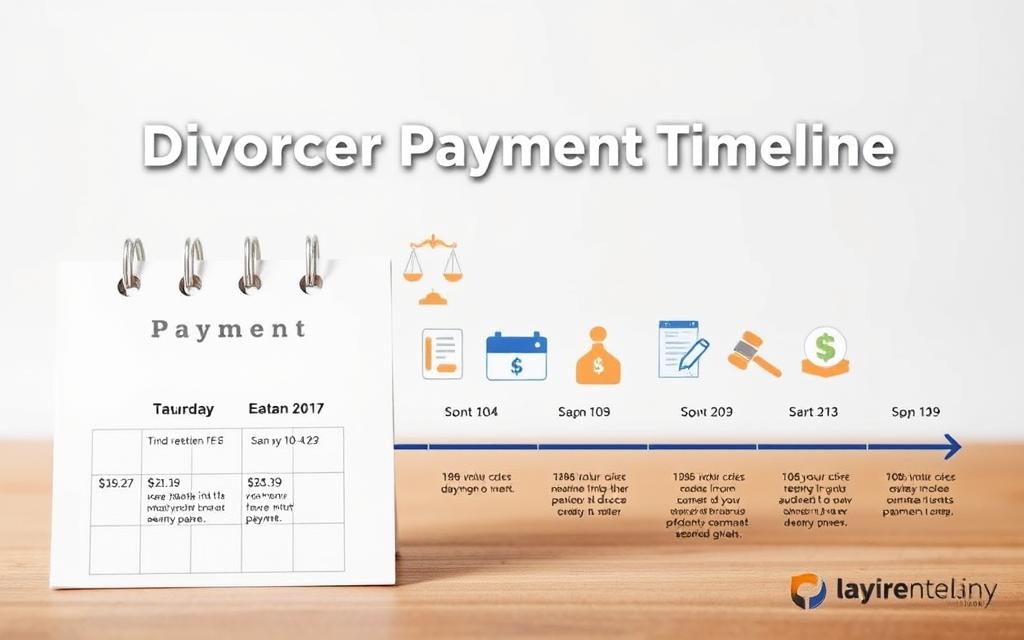
When you start planning your divorce, managing money is important. Lawyers ask for retainer fees before they do a lot of work. This helps both the lawyer and you.
Timing of Initial Retainer Payment
Here are some important steps for paying the retainer:
- Schedule initial consultation with divorce attorney
- Review and sign retainer agreement
- Pay initial retainer fee within 24-48 hours
- Attorney begins case work after payment confirmation
Retainer Replenishment Strategies
As your divorce case goes on, managing the retainer is key. Lawyers keep track of time and bill you. They send you monthly statements.
| Retainer Balance Threshold | Typical Action |
|---|---|
| Below $500-$1,000 | Attorney requests replenishment |
| Insufficient funds | Potential pause in legal services |
| Consistent communication | Negotiate payment plans or alternative arrangements |
Pro tip: Always talk to your lawyer about money problems. This way, you can keep getting help during your divorce.
Alternatives to Traditional Retainers
Looking for divorce legal aid can be tough, mainly because of money issues. Luckily, there are new ways to get help without spending a lot.
You don’t always need a full lawyer for divorce. Now, there are cheaper ways to get help with dividing property and legal advice.
Unbundled Legal Services
Unbundled legal services are a smart way to save money on divorce. You can pick the help you need, like reviewing documents or getting advice.
- Document review ($300-$800)
- Legal coaching ($150-$300 per session)
- Document drafting ($500-$1,500)
- Limited court appearances ($800-$2,500)
- Settlement negotiation assistance ($1,000-$3,000)
Pro Bono and Low-Cost Options
If you can’t afford much, there are low-cost legal options for divorce.
| Resource | Service Type | Cost |
|---|---|---|
| Legal Aid Societies | Free legal services | Income-based eligibility |
| Bar Association Programs | Pro bono referrals | Reduced or free rates |
| Law School Clinics | Student-supervised assistance | Low-cost or free |
| Court Self-Help Centers | Procedural guidance | Free information |
These options are great, but they might not be available everywhere. It’s important to find local help and think about what you really need for your divorce.
How to Choose the Right Divorce Lawyer
Finding the right divorce lawyer is important. They can help a lot with child custody and spousal support. Think carefully before choosing.
Choosing a divorce lawyer is not easy. You need to know what to look for. This will help you make a good choice.
Essential Questions to Ask During Initial Consultations
When you meet lawyers, have a list of questions ready:
- What percentage of your practice focuses on family law?
- How many cases similar to mine have you handled?
- What is your approach to child custody disputes?
- Can you provide insights into spousal support advice specific to my situation?
- What are your typical communication response times?
Evaluating Lawyer Credentials and Fees
Look at lawyers in different ways:
- State Bar Membership: Check if they are licensed and in good standing
- Specialized Certifications: See if they have family law certifications
- Experience Level: Choose lawyers with lots of family law experience
- Client Testimonials: Read what past clients say
The most expensive lawyer is not always the best. Look for someone who knows about child custody and spousal support. They should understand your needs and give advice that fits your situation.
Conclusion: Planning Financially for Divorce
Going through a divorce means you need to plan your money carefully. Knowing about retainer fees and legal costs helps you make smart choices. This way, you can avoid surprises and feel less stressed.
When you plan your budget for divorce, think about more than just lawyer fees. You also need to think about court costs, splitting property, and support payments. Having a solid financial plan helps you stay on track and feel secure.
Setting a Budget for Legal Expenses
Start by understanding your divorce situation. Simple cases cost less, but complex ones might cost more. Look up local lawyer prices and save for extra costs.
Importance of Open Communication with Your Lawyer
Talking openly with your lawyer is key to managing money. Tell them about your budget early on and check your bills. This way, you can save money and get good advice.