
Ever thought about what happens when a lender takes your car without the right legal reason? The rules about car repossession are complex. Knowing your rights could protect you from big financial losses.
Every year, many people have their cars taken away. But not all of these repossessions are legal. The Consumer Financial Protection Bureau (CFPB) found many cases of wrongful repossession. They say borrowers often have more protection than they think when fighting these actions.
Going to court for a wrongful repossession case needs careful planning. You might be able to get financial help during your case. This can make managing your lawsuit easier.
Key Takeaways
- Repossession laws vary significantly across different states
- Borrowers have specific legal rights during the repossession process
- Documentation is key in fighting a wrongful repossession
- The CFPB actively looks into wrong vehicle seizures
- Having a lawyer can greatly increase your chances of winning
Understanding Wrongful Repossession
Auto loan repossession disputes can be complex legal challenges. They leave many borrowers feeling vulnerable. The landscape of vehicle recovery is fraught with legal pitfalls for both lenders and consumers.
Wrongful repossession happens when lenders or repo agents break legal rules. These rules are to protect borrowers’ rights. Knowing these rules is key to fighting wrongful repossession.
What Constitutes Wrongful Repossession?
Several key scenarios define illegal car repossession claims:
- Repossession after verbal objection from the vehicle owner
- Breaching peace during vehicle recovery
- Entering private property without permission
- Repossessing a vehicle with current payments
Common Reasons for Repossession
Lenders have rights to recover vehicles. But they must follow strict legal protocols. Unauthorized repossession methods can invalidate the entire process.
- Missed loan payments
- Expired loan agreements
- Inadequate insurance coverage
- Violation of specific loan contract terms
Legal Rights of Borrowers
Consumers have big protections under federal and state laws. The Fair Debt Collection Practices Act is a big help against bad repossession practices.
- Right to receive proper notification
- Protection against physical intimidation
- Ability to dispute incorrect repossession actions
- Potential financial compensation for illegal seizures
Borrowers facing repossession should keep records of all interactions. They should also know their legal rights to protect themselves.
The Repossession Process Explained
Vehicle repossession is a complex legal process. It has rules for lenders and borrowers. Knowing about repossession helps protect your rights and avoid wrong settlements.
Repo agents follow strict laws when they try to get a vehicle back. The rules change based on the property type and how they get in.
Vehicle Repossession Methods
Repossession agents face limits when they try to get into private property. Here are some important points:
- Open driveways are legally accessible for vehicle recovery
- Closed garages need clear permission
- Breaking in can be illegal
- Property owners can sue if repossession is wrong
Timing of Repossession Actions
The timing of repossession varies by state and loan terms. In Ohio, for example, lenders can take a vehicle after just one day of missed payment.
| Repossession Timing Factors | Legal Considerations |
|---|---|
| Payment Delinquency | Can trigger immediate repossession |
| Notice Requirements | Vary by state law |
| Late Fee Threshold | Typically after 5 days past due |
Lender Responsibilities During Repossession
Lenders have to follow certain rules during repossession. Key duties include:
- Providing post-repossession default notice
- Telling you the loan balance
- Explaining your redemption rights
- Selling the vehicle in a commercially reasonable way
You should know your rights and legal options if you think repossession was wrong. Talking to a lawyer can help protect you and fight against unfair repo actions.
Legal Grounds for a Wrongful Repossession Claim
Understanding your rights is key when dealing with car repossession. Lenders have strict rules to follow. You have ways to fight back if they don’t.
Knowing your legal rights is important. Lawsuits have shown big problems in how cars are taken back. These issues can lead to a legal fight.
Breach of Contract Violations
Lenders must follow the loan agreement closely. Issues include:
- Not giving enough notice before taking the car
- Ignoring payment grace periods
- Taking the car back too soon
Notification Requirements
Car repossession needs a court order in most cases. Laws say lenders must:
- Send written notice of default
- Give a chance to fix the problem
- Be clear about taking the car back
| Legal Ground | Potential Damages | Typical Resolution |
|---|---|---|
| Breach of Contract | $50,000 – $100,000 | Debt Forgiveness |
| Improper Notification | $25,000 – $75,000 | Credit Reporting Correction |
| State Law Violation | $75,000 – $250,000 | Monetary Compensation |
State Repossession Law Violations
Every state has its own rules for taking back cars. Critical violations include:
Unauthorized seizure, not giving the right papers, or causing trouble during the repossession.
If you think your car was taken wrongly, keep records. Get all your loan papers. And think about talking to a lawyer who knows about protecting consumers.
The Role of the Uniform Commercial Code (UCC)
The Uniform Commercial Code (UCC) is key in debt collector repossession cases. It sets rules for lenders to get back property when loans are not paid. It was made in 1952 and 49 states and the District of Columbia follow it.
Knowing the UCC is important if you want to sue a lender for wrong repossession. It has rules for both lenders and borrowers during repossession.
Key Provisions for Borrowers
The UCC has important rules for getting back wrongfully repossessed property:
- Lenders must take possession without breaching the peace
- Repossession can occur without judicial process
- Borrowers have rights against aggressive collection methods
Self-Help Repossession Rules
Section 9-503 of the UCC lets secured parties take back collateral after default. But, it must be done without breaking the peace.
| UCC Repossession Guideline | Key Requirement |
|---|---|
| Peaceful Recovery | No force or threats permitted |
| Judicial Process | Not required for repossession |
| Borrower Protection | Protection against violent confrontation |
Borrowers should know that courts back the self-help remedy for repossession. If a lender uses force or threats, the borrower can sue.
Initial Steps to Take After Repossession
Getting your car repossessed can feel scary. It’s important to know your rights and act fast. About 1 in 10 cars are repossessed each year in the U.S. So, it’s key to protect yourself.
How you react right away can affect your legal case. Creditors must follow rules when taking back your car. If they don’t, you might have a case against them.
Documenting Your Circumstances
It’s vital to gather proof when you sue a repo company. Start by:
- Collecting all loan agreement documents
- Photographing the vehicle’s condition
- Noting the exact date and time of repossession
- Recording contact information of repo agents
Contacting Your Lender
Talk to your lender right away. Ask them to explain why your car was taken. They must give you proof within five business days.
Assessing Your Loan Agreement
Read your loan agreement carefully. Look for:
- Default notification requirements
- Repossession procedures
- Potential redemption options
- Specific state regulations
Pro tip: 60% of people don’t know their rights when their car is repossessed. Knowing your rights is your strongest defense.
Filing a Claim for Wrongful Repossession
Dealing with wrong repossession needs smart legal steps. In 2023, car repossessions went up by 11%. This shows why knowing your rights is key.
When facing repossession fraud, getting legal help is vital. The Consumer Financial Protection Bureau found 1.6 million complaints in 2024. This shows big problems with car repossession laws.
Understanding Your Legal Options
Borrowers have ways to fight wrong car repossession:
- Check if the lender followed state rules
- Look for loan agreement breaks
- See if debt collection rules were followed
Steps to Initiate a Lawsuit
Winning in court needs careful planning and documents:
- Gather all loan and talk documents
- Keep track of when and how the car was taken
- Talk to a lawyer who knows consumer rights
Identifying the Right Court to File In
| Jurisdiction | Recommended Filing | Key Considerations |
|---|---|---|
| State Court | Local consumer protection claims | Faster processing, lower filing costs |
| Federal Court | Complex constitutional violations | More thorough legal check |
| Small Claims Court | Limited money claims | Easier process, can do it yourself |
Note: People fighting wrong repossessions often win. They get money or get their car back.
Gathering Evidence for Your Case
When facing a possible auto repossession lawsuit, it’s key to collect lots of evidence. This helps build a strong case. It can also show if the lender did something wrong.
Essential Documents to Collect
Getting the right documents is very important. It helps prove your case. You’ll need:
- Original loan agreement
- Payment history records
- Correspondence with the lender
- Repossession notice documents
- Vehicle condition reports
Witness Testimonies Matter
Testimonies from witnesses can really help your case. Look for people who:
- Saw the repossession happen
- Can say if there was trouble
- Know about your talks with the lender
Legal Representation Is Key
Having a good lawyer is very important. They know the laws well. They can help you understand the rules.
Repo agents have to follow the law closely. They can’t cause trouble when they take the car. Your evidence might show they did something wrong.
Collecting all the evidence you can is very important. It can make your lawsuit win or lose. A good lawyer will make sure you don’t miss anything important.
Potential Outcomes of a Lawsuit
Going to court for wrongful repossession can be tough. But knowing what might happen helps. Lawsuits for wrongful repossession can lead to justice and money back.
Possible Damages You Can Claim
When you fight for your car rights, you might get:
- Money for your car’s value
- Back your legal costs
- Fixes to your credit report
- Maybe even debt forgiveness
Likely Defenses from Lenders
Lenders often use certain defenses in court. They might say:
- They followed the contract
- They gave the right notices
- You really didn’t pay on time
- They followed the state laws
Settlements vs. Court Trials
In Shue v. JMAC Distrib., LLC, a court in Massachusetts showed what happens when repossession is too aggressive. It showed the legal trouble lenders face.
Most cases end in a settlement. This means:
- It’s quicker
- It costs less money
- It’s less stressful
- You get your money back
It’s smart to talk to a lawyer before deciding what to do. They can help you choose the best path against car repossession.
Legal Time Limits for Filing Claims
When you face an auto loan repossession dispute, knowing the legal time limits is key. The statute of limitations tells you how long you have to act after a wrongful repossession.
These time limits change from state to state. It’s very important to know your state’s rules if you want to fight wrongful repossession.
State-Specific Limitation Periods
Every state has its own rules for filing claims after a vehicle is repossessed. These rules can affect your chance to sue for wrongful repossession.
| State | Statute of Limitations | Notable Considerations |
|---|---|---|
| California | 4 years | Can file claim for breach of contract |
| New York | 6 years | Longer period for written contracts |
| Texas | 4 years | Strict documentation requirements |
Critical Factors in Time Limits
- The clock usually starts from the repossession date
- Different limits for contract vs. tort claims
- Some states have shorter limits for certain actions
Potential exceptions can extend these limits, such as:
- Fraudulent concealment by the lender
- Borrower being a minor at repossession
- Ongoing financial agreements
Getting advice from a local attorney who knows auto loan disputes is the best way to find out your specific time limits for a wrongful repossession claim.
Seeking Professional Legal Help

Dealing with illegal car repossession claims needs expert legal advice. If you face a wrongful repossession, picking the right lawyer is key. They help protect your rights and get fair compensation.
Choosing the Right Legal Representation
Finding an attorney who knows repossession laws is important. Look for lawyers who focus on consumer protection and car finance law.
- Check if the lawyer has experience with wrongful repossession cases
- See if they have won many consumer protection cases
- Ask for meetings with different lawyers
- Read what past clients say and look at their case wins
Understanding Legal Cost Structures
Lawyers for repossession cases charge in different ways. Many offer payment plans to help you fight for your rights.
- Contingency Fee Model: You only pay if they win your case
- Hourly Rate
- Flat Fee for certain legal actions
- Free help for those who qualify
Studies show lawyers who specialize in wrongful repossession can win about 60% of cases. Getting a lawyer greatly improves your chances of winning.
Financial Considerations for Legal Action
Think about legal costs before starting a lawsuit. Some lawyers give free first meetings to check your case.
Good lawyers know the repossession laws well. They make sure your rights are looked after during the lawsuit.
Understanding Lender Liability
Lender liability is key in protecting borrowers from unfair practices. The laws around repossession have changed a lot. Now, there are more ways to keep your car safe from being taken.
When Financial Institutions Can Be Held Responsible
Lenders can face big legal problems if they break rules. Courts have shown that lenders can lose a lot of money if they mess up. Here are some times when lenders might be held liable:
- Breaching contractual agreements
- Failing to provide proper notification
- Conducting aggressive or violent repossession attempts
- Misrepresenting loan terms
Legal Protections and Exceptions
To stop a car repossession, you need to know the laws. Cases like K.M.C. Co. v Irving Trust Co have set important rules. These rules can lead to big fines for lenders.
Lenders can’t:
- Use physical force during repossession
- Enter private property without permission
- Threaten or intimidate the borrower
- Sell the repossessed vehicle without proper notice
Proactive communication and understanding your rights are essential in navigating possible repossession challenges.
The Impact of Repossession on Your Credit
A vehicle repossession can really hurt your finances. It can cause problems for a long time. Knowing how it affects your credit is very important.
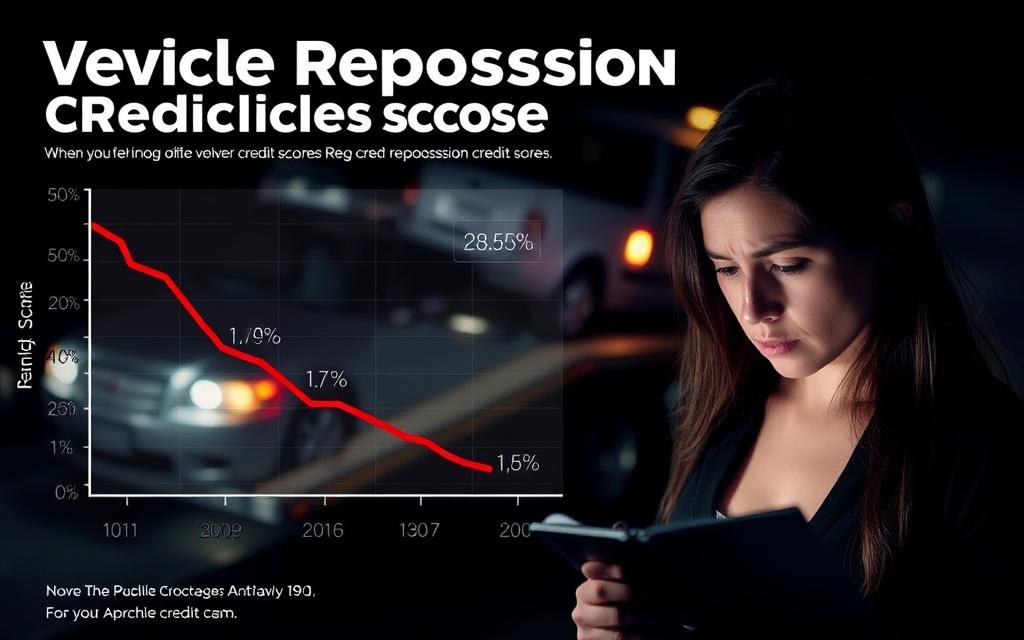
When a debt collector takes your car, it can be very hard on your wallet. Your credit score might drop by 100 points or more. This makes it tough to get loans or credit in the future.
Credit Score Damage Breakdown
The damage to your credit from a repossession is big. Here are some numbers to show how bad it can be:
- 15% of people see their credit score drop right away
- Repossession stays on your credit report for 7 years
- It can lower your payment history by 35%
Long-term Financial Implications
| Credit Impact Area | Potential Consequences |
|---|---|
| Loan Accessibility | 40% reduced chance of future financing |
| Interest Rates | 3-5% increase in borrowing costs |
| Credit Score Recovery | 7 years to fully rehabilitate credit |
Going to court against a lender for wrongful repossession might help. It’s key to keep records and talk to a lawyer. They can tell you about your rights and what you can do.
By watching your credit, talking to lenders, and planning to fix your credit, you can lessen the damage. This helps you recover from a repossession.
Preemptive Measures to Avoid Repossession
To keep your vehicle safe from repossession, manage your money well and talk clearly with your lender. Knowing how to stop a wrong repossession starts with smart money planning.
If you might lose your vehicle, you have important steps to take:
- Open direct communication with your lender
- Negotiate payment modification plans
- Explore refinancing options
- Address financial challenges immediately
Communicating with Your Lender
Talking openly with your lender can stop repossession problems. Before you miss a payment, call your lender. They might help find a solution that works for both of you.
Refinancing Options
Refinancing is a good way to fight repossession before it starts. Here are some refinancing ideas:
| Refinancing Option | Potential Benefits |
|---|---|
| Extended Loan Term | Lower monthly payments |
| Interest Rate Reduction | Less money spent on the loan |
| Consolidation Loan | Easier to manage your debt |
Using legal steps to fight repossession needs quick action. Act fast to keep your vehicle and protect your money.
Navigating Bankruptcy and Repossession
Bankruptcy can help if you’re facing repossession problems. It’s important to know how it affects your car. This can protect your money and future.
If your car was taken unfairly, you have options. Chapter 7 and Chapter 13 bankruptcies are key. They help manage car debt in different ways.
How Bankruptcy Impacts Vehicle Repossession
Filing for bankruptcy stops repossession right away. This is called an automatic stay. It gives you time to catch up on payments.
Bankruptcy can also wipe out what you owe on the car. It lets you make new payment plans. This helps keep your car.
Alternatives to Losing Your Vehicle
There are ways to keep your car, even if it was taken unfairly. Bankruptcy and other plans can help. Here are some options:
- Chapter 13 Bankruptcy Repayment Plan
- Allows 3-5 year loan restructuring
- Catch up on missed payments
- Loan Reinstatement
- Pay past due amounts
- Cover repossession expenses
- Negotiating with Lenders
- Discuss payment modifications
- Explore temporary forbearance
Choosing the best plan depends on your money situation. A bankruptcy lawyer can guide you. They help pick the best option for you.
| Bankruptcy Option | Vehicle Retention | Duration |
|---|---|---|
| Chapter 7 | Limited retention | 3-4 months |
| Chapter 13 | High retention likelihood | 3-5 years |
Talking to lenders and knowing your rights is key. It helps avoid repossession and keeps your finances stable.
Conclusion: Your Rights and Next Steps
Understanding car repossession laws is key. It helps you protect your money. Knowing your rights is very important.
Repossession notices are very important. They help keep you safe. Every year, over 1,600,000 cars are repossessed. Knowing your rights can help a lot.
Legal help is available if you face repossession. The Uniform Commercial Code has rules to protect you. Talking to your lender and getting a lawyer can help a lot.
Knowing your rights is your best defense. Keep all important papers safe. And act fast if you see any problems.
Remember, 70% of people who talk to lenders can work out a plan. This shows how talking can help avoid losing your car.