

Would you risk your child’s safety for a moment? Driving drunk with a child in the car is very dangerous. It’s one of the worst DUI crimes in the U.S., with big legal and personal problems.
Driving drunk with a child makes a simple traffic stop very serious. States like New York and Indiana have tough laws for this. They know it’s very dangerous for kids.
The laws for DUI with a child are strict and hard to deal with. People charged can face big problems. These can hurt their family, freedom, and future chances.
Key Takeaways
- DUI with a child in the car is a serious criminal offense
- Legal consequences vary by state but are universally strict
- Penalties can include significant fines and possible jail time
- Child protective services may get involved
- Long-term personal and professional problems are likely
Understanding DUI Laws in the United States
Driving under the influence (DUI) is a big deal in the United States. It’s about keeping people safe and making sure drivers are not drunk. This is very important when kids are in the car.
DUI laws are different in every state. This makes things a bit confusing. But knowing these laws is key when kids might be in a DUI situation.
A Brief Overview of DUI
DUI laws aim to stop drivers from being drunk or on drugs. They cover a few main points:
- Blood Alcohol Concentration (BAC) limits
- Potential for immediate license suspension
- Mandatory court appearances
- Potential criminal charges
Definition of DUI with a Child in the Car
When DUI happens with kids, it gets much more serious. It turns from a simple traffic stop into a big crime.
| State | Additional Penalty for Child Present | Potential Charge Escalation |
|---|---|---|
| Florida | Enhanced Criminal Charges | Felony Possible |
| New York | Child Endangerment Charge | Aggravated Misdemeanor |
| California | Mandatory Child Protective Services Notification | Potential Custody Impact |
Scope of the Issue
DUI laws in Florida show how important it is to keep kids safe from drunk driving. Every year, many kids are at risk because of it.
Knowing what happens when DUI involves kids is key. It shows the big legal, personal, and family impacts.
Legal Consequences of DUI with a Child
Driving drunk with a child in the car is a big crime. It can change a person’s life a lot. The legal problems are more than just a DUI charge.
Having a child in the car makes DUI charges worse. They go from a small crime to a DUI felony with child. This shows the danger to the child.
Misdemeanor vs. Felony Charges
Whether it’s a misdemeanor or felony DUI with a child depends on a few things:
- Blood alcohol concentration (BAC) levels
- Child’s age at the time of the incident
- Prior criminal history
- Specific state regulations
Mandatory Minimum Sentences
States have strict rules for DUI with a child. For aggravated DUI Florida, there are:
- Mandatory jail time
- Suspension of driving privileges
- Mandatory alcohol education programs
- Potential child endangerment charges
Fines and Financial Implications
Getting a DUI with a child costs a lot. You might pay for court fees, lawyers, higher insurance, and rehab.
If you’re facing these charges, get a lawyer fast. They can help you understand your case and how to defend it.
Factors Influencing Penalties
Driving under the influence with a child in the car can lead to harsh legal penalties. The fines for DUI charges vary. They depend on several important factors that can make the case more serious.
Blood Alcohol Concentration (BAC) Levels
BAC levels are key in figuring out DUI charges. In places like New York, a BAC of 0.18 or higher means aggravated DUI charges. The higher the BAC, the worse the legal trouble gets.
- BAC between 0.08 – 0.14: Standard DUI charges
- BAC between 0.15 – 0.17: Increased penalties
- BAC 0.18 and above: Florida DUI aggravated charges
Previous Offenses
Having DUI offenses before can make penalties much worse. First-time offenders usually face lighter penalties. But, each time you get a DUI, the punishments get tougher.
Child’s Age and Well-Being
The child’s age in the car affects the legal consequences. Younger kids are seen as more at risk. This can lead to harsher DUI fines and possible child endangerment charges.
Knowing these factors helps people understand the serious legal issues of driving drunk with a child in the car.
State-Specific Laws and Variations
DUI laws for kids change a lot in the United States. Each state has its own rules. These rules affect how DUI cases with kids are handled. It’s important for parents and lawyers to know these differences.
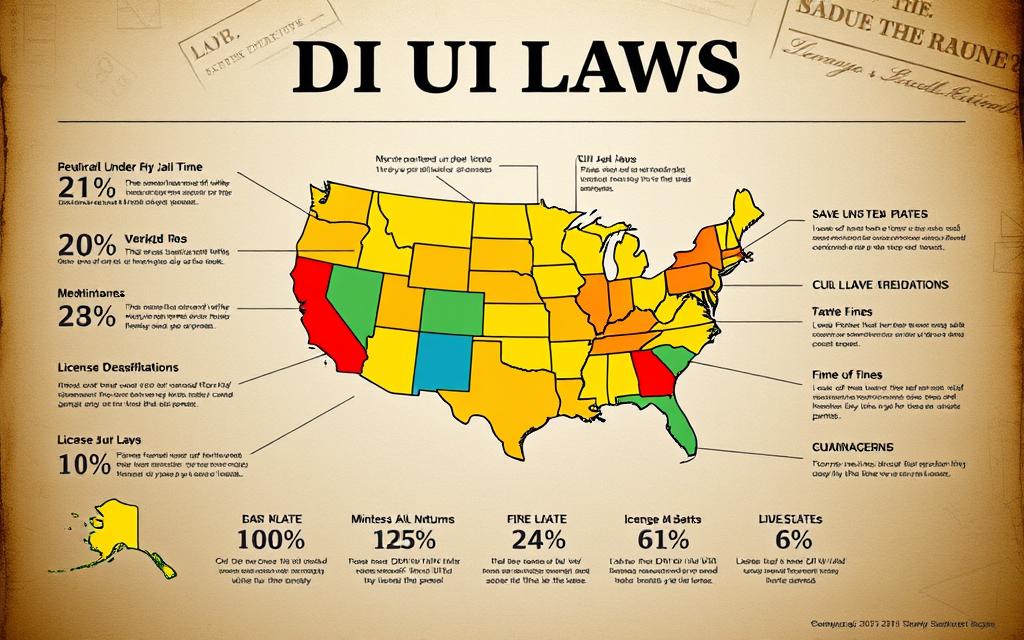
How strict DUI laws are for kids in Florida varies a lot. The penalties can change a lot depending on where you are. So, it’s key to do your homework.
Differences in State Regulations
There are big differences in DUI laws from state to state. These include:
- Minimum mandatory sentencing requirements
- Blood alcohol concentration (BAC) thresholds
- Enhanced penalties for child passengers
- License suspension duration
Notable State Examples
Some states have very strict DUI laws for kids:
| State | Unique DUI Child Law | Penalty Severity |
|---|---|---|
| New York | Leandra’s Law | Automatic felony if child under 16 |
| Indiana | Level 6 Felony Classification | Mandatory minimum imprisonment |
| Florida | Enhanced Child Endangerment | Immediate license revocation |
How to Research Your State’s Laws
To learn about DUI laws for kids in your state:
- Check local court websites
- Look at state Department of Motor Vehicles resources
- Talk to a local DUI defense lawyer
- Visit state legislative websites for the latest laws
Knowing your local laws helps protect your rights and your child’s safety.
The Impact on Child Welfare
When a parent gets a DUI with a child in the car, it’s more than just a legal issue. Child Protective Services (CPS) steps in to check if the child is safe. They look at the home and if the parents can take care of the child.
When there’s a DUI with a child, CPS acts fast. They worry about the child’s safety now and in the future.
CPS Involvement Process
- Mandatory reporting by law enforcement
- Comprehensive family risk assessment
- Immediate safety evaluation of the child
- Potential temporary removal from parental custody
Potential Home Removal Considerations
DUI cases with kids are very serious. CPS looks at many things during their check:
| Risk Factor | Potential Consequence |
|---|---|
| Repeated DUI Offenses | Higher likelihood of child removal |
| Child’s Age and Vulnerability | Direct impact on custody decisions |
| Parent’s Rehabilitation Commitment | Potential for family reunification |
Long-term Psychological Effects
Children who see their parents get a DUI can be very hurt. They might feel anxious, have trouble trusting people, and face behavioral problems later. It’s important to get them help from a counselor.
CPS wants to keep the child safe. They also want to help the family get better and stay together.
Defense Strategies for DUI with a Child
Facing a DUI arrest with a child is very serious. It needs a strong defense plan. This is to protect your rights and future.
When you get arrested for DUI with a child, knowing your legal options is key. Good lawyers can make plans just for your case.
Common Legal Defenses
For DUI with a minor, there are a few main defenses:
- Challenging the initial traffic stop’s legality
- Questioning breathalyzer or blood test accuracy
- Examining procedural errors during arrest
- Investigating possible equipment failure
Importance of Legal Representation
Having a good lawyer is very important in DUI cases with children. A skilled DUI defense lawyer can:
- Look at the evidence closely
- Make sure your rights are protected
- Try to get charges lowered
- Help lessen the long-term legal effects
Plea Deals and Negotiations
Getting plea deals needs a lot of legal knowledge. Legal defense DUI with minor cases often involve complex negotiations. Lawyers might try to get lighter sentences or alternative programs.
The main goal of any DUI arrest child involvement defense is to lessen long-term effects. It aims to get the best outcome for you and the child.
The Role of Ignition Interlock Devices
Driving drunk with a kid in the car is very serious. Ignition interlock devices help a lot. They make sure people don’t drive drunk.
What is an Ignition Interlock Device?
An ignition interlock device is like a breathalyzer in your car. It checks if you’ve been drinking before you can drive. It helps keep everyone safe on the road.
Requirements in DUI Cases
Rules for ignition interlock devices vary by state. In New York, drivers with DWI must use them for six months. The rules depend on:
- Blood alcohol concentration levels
- Number of previous DUI offenses
- Presence of children during the incident
- Specific state legal guidelines
Effectiveness in Preventing Recidivism
Studies show ignition interlock devices really work. They can cut repeat drunk driving by up to 67%. They help people drive safely.
These devices are key in keeping kids safe. They help stop drunk driving.
Insurance Consequences
A DUI conviction with a minor passenger can cause big problems for drivers. It can make getting affordable insurance very hard.
After a DUI, insurance companies see drivers as high-risk. This makes getting insurance very expensive, even more so if a child was in the car.
Increased Insurance Premiums
Insurance rates can go up a lot after a DUI. They might increase by 30% to 200%, depending on the DUI details.
- First-time DUI conviction: Up to 50% premium increase
- Repeat DUI offenses: Up to 100% or more rate hike
- DUI with child in vehicle: Highest rate increase
Impact on Child Coverage
A DUI can make it hard to keep insurance for family policies. Some companies might not cover everything or watch your driving more closely.
| Conviction Type | Insurance Risk Level | Potential Coverage Changes |
|---|---|---|
| First DUI | High Risk | Premium Increase |
| DUI with Minor | Extreme Risk | Potential Policy Cancellation |
| Multiple DUI Convictions | Uninsurable | Mandatory High-Risk Policy |
Finding Affordable Coverage Post-Conviction
Finding insurance after a DUI needs careful planning. Drivers can look for special high-risk insurance or take defensive driving courses.
- Compare many high-risk insurance quotes
- Take state-approved defensive driving programs
- Keep a clean driving record after the conviction
- Think about usage-based insurance policies
Getting over a DUI takes time, money planning, and a commitment to safe driving. Knowing about insurance problems helps drivers make smart choices and fix their driving record.
Seeking Help and Resources
Parenting after DUI can be tough. But, many support systems are here to help. They help rebuild lives and family bonds. Recovery needs understanding, commitment, and key resources.
Recovering from a DUI with child endangerment penalties needs many strategies. Getting help from professionals is key. They help tackle deep issues and stop future problems.
Alcohol Counseling and Rehabilitation Programs
DUI custody issues need strong help. Good rehab programs offer:
- One-on-one counseling
- Group therapy
- Plans for substance abuse treatment
- Family counseling
Resources for Parents
Parents facing legal issues can find special support. There are networks to help them recover:
- Legal aid clinics
- Workshops on parenting skills
- Support for child welfare
- Mental health counseling
Support Groups and Community Services
Community resources are vital for recovery. Peer support groups give understanding and help. They guide on rebuilding trust and overcoming hurdles.
Groups like MADD offer help. They give educational tools, counseling tips, and community support. They help those wanting to change for the better.
Responsibilities After a DUI Arrest

A DUI arrest with kids in the car starts a complex legal process. It needs quick and careful action. The steps after can greatly affect your future and your kids’ well-being.
Understanding your duties after a DUI arrest with kids is key. DUI laws in Florida take these cases very seriously. The consequences can be severe, affecting more than just traffic rules.
Post-Arrest Initial Procedures
The moments right after a DUI arrest are critical:
- Contact a criminal defense attorney who knows DUI cases
- Write down everything the police say
- Get statements from any witnesses
- Keep any evidence that could help your case
Court Appearance Preparation
Getting ready for court involves several important steps:
- Get all important documents
- Learn about possible charges and penalties
- Write a detailed personal statement
- Think about court-ordered classes or rehab
Ongoing Legal Obligations
After a DUI arrest with kids, things can get complicated. You might have to:
- Take court-ordered classes
- Follow probation rules
- Meet with legal officials regularly
- Face restrictions on driving
Handling these duties needs patience, legal advice, and a desire to improve. Every step you take can change the outcome of your case and your future.
Public Perception and Stigma
A DUI with a child in the car has big social effects. It goes beyond just legal trouble. The shame of endangering a child can hurt your job and personal life a lot.
Being charged with DUI with a minor can really hurt. People see it as a big mistake. It can make you feel left out by your community.
Social Consequences Breakdown
- Potential loss of professional credibility
- Strained personal relationships
- Negative community perception
- Potential workplace disciplinary actions
Rebuilding Reputation Strategies
If you’ve been charged with DUI with a child, you must act fast. Genuine commitment to change is key. It helps fix your personal and work life.
- Complete court-mandated counseling programs
- Participate in community service
- Seek substance abuse treatment
- Maintain transparent communication
The Importance of Accountability
Admitting you were wrong is the first step to overcoming shame. Counseling, support groups, and showing you’ve changed can help. It’s all about rebuilding your reputation.
| Action | Social Impact |
|---|---|
| Voluntary Counseling | Positive Perception |
| Community Service | Reputation Restoration |
| Transparency | Trust Rebuilding |
Preventative Measures for Parents
Keeping kids safe from DUI risks is key. It’s all about being proactive and making smart choices. DUI with a child in the car can be very bad, so stopping it is very important.
Understanding DUI Risks
Parents need to know how serious DUI is. Laws about DUI and kids are there to keep them safe. They also make parents take responsibility for their actions.
- Learn about local DUI regulations
- Understand the legal and personal consequences
- Recognize the impact on child welfare
Safe Alternatives to Driving
After a DUI, parents must plan carefully. There are many safe ways to get around without driving.
- Designate a sober driver
- Use ride-sharing services
- Call a taxi or local transportation
- Stay overnight at the event location
Community Awareness Strategies
| Prevention Method | Impact |
|---|---|
| Local workshops | Educate parents on DUI risks |
| School programs | Raise awareness among families |
| Support groups | Provide resources and guidance |
Stopping DUI starts with personal responsibility and community help. Knowing the risks, planning, and staying informed helps make a safer place for kids.
Conclusion
Driving drunk with a kid in the car is very serious. It hurts families and can harm a child’s feelings for a long time. It’s not just about the law; it’s about keeping everyone safe.
States like New York and Indiana have tough rules for this. They want to keep kids safe. If you drive drunk with a kid, you could face big fines and lose your license.
It’s important for parents to think about their kids’ safety. Don’t drink and drive. Use other ways to get around. Remember, your choices can change your family’s life.
Teaching kids and adults about the dangers of drunk driving helps. We can all make better choices. This way, we keep our families and communities safe.