

Ever handed over your keys for a “quick fix,” only to wait weeks without updates? Repair delays can leave drivers feeling powerless, but your rights as a consumer matter. Understanding the rules around repair timelines ensures you’re never left in the dark.
Dealerships often face stricter guidelines. For warranty work, many adhere to a 30-day completion window. Independent shops, however, operate under different standards. They must provide clear progress updates to avoid legal gray areas.
State and federal laws protect vehicle owners from indefinite holds. Lemon Laws, warranty terms, and repair agreements all play roles in defining acceptable timelines. Staying informed helps you challenge unreasonable delays.
Key Takeaways
- Dealerships typically have 30-day limits for warranty repairs.
- Independent shops must disclose repair progress transparently.
- State laws vary but prioritize consumer rights in repair disputes.
- Lemon Laws may apply if delays render the vehicle unusable.
- Written agreements clarify timelines and protect both parties.
- Regular communication from repair shops is legally expected.
Understanding Legal Timeframes for Car Repairs
Navigating repair timelines starts with knowing where you stand. Dealerships and independent shops follow different rules, and your vehicle’s warranty status changes the game.
Dealership Deadlines vs. Independent Shop Flexibility
New car warranties often dictate repair speed. Dealerships typically face a 30-day completion window for covered repairs under manufacturer agreements. This protects customers from endless delays on warranty claims.
Independent repair shops operate differently. No federal law sets fixed deadlines, but state consumer protection rules require clear communication. Technicians must provide progress updates, even if parts shortages or complex issues arise.
How Laws Shape Repair Expectations
Federal Magnuson-Moss Warranty Act standards influence dealership timelines. States like California and Texas enforce stricter rules:
- Mandatory written estimates with completion dates
- Daily storage fees if repairs stall
- Required notifications for delays exceeding 48 hours
These regulations ensure shops prioritize efficiency. Customers can reference repair agreements or state consumer affairs offices if timelines stretch unreasonably. Knowing these benchmarks helps hold shops accountable while respecting legitimate workflow challenges.
How long can a mechanic legally keep your car to fix
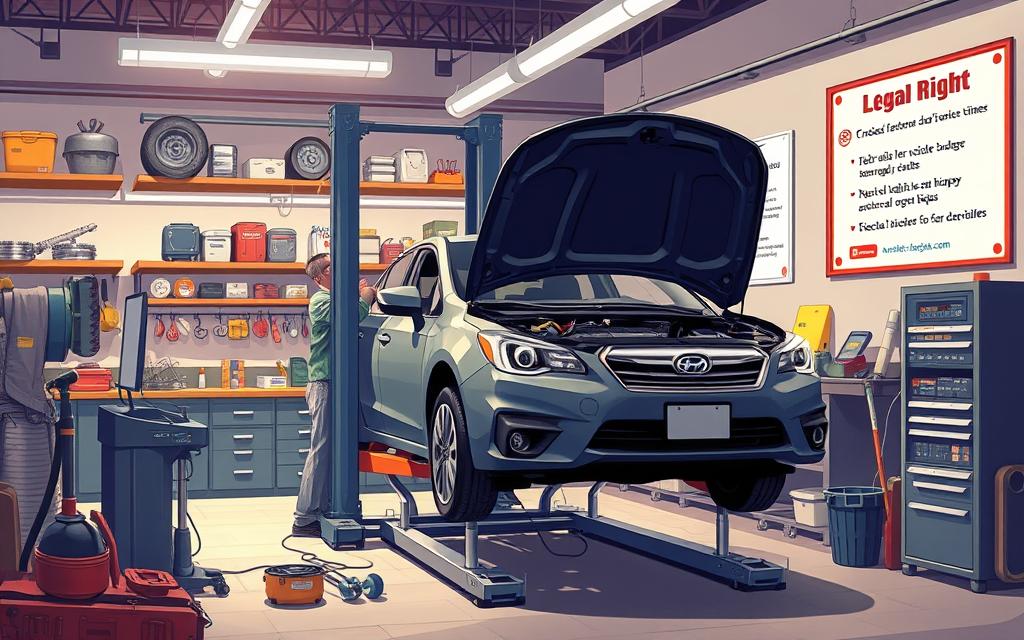
When you leave your vehicle at a repair shop, an implied bailment contract forms under state law. This legal relationship grants specific protections while establishing shop responsibilities. Bailment agreements require technicians to exercise reasonable care and return property promptly after completing services.
Legal Framework Governing Repair Timelines
Shops retain possession rights through mechanic’s liens, allowing them to hold vehicles until payment for completed work. However, these liens don’t permit indefinite retention. The Uniform Commercial Code (UCC) mandates repairs conclude within a “reasonable period” based on:
| Factor | Consumer Rights | Shop Obligations |
|---|---|---|
| Parts Availability | Daily updates if delays occur | Source components within 5 business days |
| Repair Complexity | Written timeline adjustments | Provide revised completion dates |
| Payment Disputes | Request itemized invoices | Release vehicle after partial payment |
Customers facing extended holds should follow this escalation process:
- Request written justification for delays
- File complaints with state consumer protection agencies
- Consider small claims court for storage fee recovery
Documentation proves critical in disputes. Photograph your vehicle’s condition pre-repair and retain all service agreements. Most states consider 30 days excessive without valid reasons like backordered parts or insurance delays.
Factors Affecting Repair Times at Repair Shops
Three elements often dictate how swiftly your vehicle gets back on the road: component availability, service capacity, and scheduling realities. These variables explain why two identical repairs might take vastly different timelines.
Extent of Damage and Required Parts
Severe collisions or mechanical failures often demand specialized components. Shops frequently wait 3-5 business days for rare engine parts or discontinued sensors. For example, hybrid battery replacements sometimes face 10-day delays due to shipping logistics.
Common hold-ups include:
- Backordered transmission components
- Custom fabrication for vintage vehicles
- Insurance approval processes for OEM parts
Workload at the Shop and Scheduling Challenges
Peak seasons like winter create backlogs. A shop handling 30+ vehicles daily might prioritize safety-related work first. This triage system pushes routine maintenance appointments by 48-72 hours.
Technician shortages compound delays. Many facilities operate with 40% fewer staff than pre-pandemic levels, stretching standard repair days by 25%. Always ask about current turnaround times when booking.
Unexpected issues discovered during teardowns add hurdles. Corroded brake lines or cracked engine blocks require immediate attention, sidelining original work orders. Proactive communication helps manage these surprises.
Your Rights and Legal Protection Under Lemon Laws
What happens when repeated visits to repair shops leave you stranded? Lemon laws exist to protect consumers from defective vehicles that can’t be fixed within reasonable attempts. These regulations vary by state but share common principles for defining unresolved issues.
When a Vehicle is Considered a Lemon
A vehicle typically qualifies under lemon laws after 30 cumulative days in repair shops or multiple failed attempts to resolve the same issue. Federal standards require manufacturers to replace or refund cars with unfixable defects affecting safety, value, or usability.
Key criteria include:
- Persistent problems occurring within warranty periods
- Three unsuccessful repair attempts for critical systems
- Extended downtime impacting daily transportation needs
Steps to Take if Repairs Exceed Reasonable Timeframes
Document every interaction with repair shops. Request written records of diagnostic reports and service dates. If delays surpass your state’s legal limit, send a formal demand letter outlining unresolved issues.
Follow this action plan:
- Notify the manufacturer about recurring car repairs
- File complaints with your state attorney general’s office
- Consult a consumer rights attorney for case evaluation
Proactive communication strengthens your position. Many states require mediation before lawsuits. Keep emails, invoices, and repair logs organized—these documents prove patterns of unresolved defects.
Extended Warranty and Additional Consumer Protection
Vehicle owners dread surprise repair bills and endless waits—but extended warranties offer financial safeguards and timeline assurances. These service contracts act as shields against unexpected breakdowns while providing clarity during complex vehicle repair processes.
How Extended Warranties Can Mitigate Repair Delays
Top providers like Endurance streamline car repair workflows through nationwide networks. Plans often include:
- Priority scheduling at ASE-certified facilities
- Guaranteed parts availability within 72 hours
- Rental car coverage during lengthy repairs
This structure reduces downtime by connecting car owners with vetted technicians quickly. Many contracts also cap labor hours, preventing shops from dragging out diagnostic work.
Comparing Coverage Options and Benefits
Not all warranties deliver equal protection. Consider these factors when evaluating plans:
| Plan Type | Key Benefits | Average Cost |
|---|---|---|
| Exclusionary | Covers 7,000+ components | $3,200 |
| Stated Component | Specific part guarantees | $1,800 |
| Powertrain | Engine/transmission focus | $1,200 |
Leading providers answer common questions through 24/7 support channels. Many include trip interruption reimbursement—critical when repairs stretch across multiple days. Always verify if your chosen car shop accepts third-party warranty direct payments to avoid upfront costs.
Preventing Repair Delays and Ensuring Transparency
Transparency transforms repair experiences from frustrating to manageable. Proactive customers reduce delays by establishing clear expectations and documentation trails from day one.

Effective Communication with Repair Shops
Set communication rhythms upfront. Ask for daily updates via text or email. If a shop misses two consecutive check-ins, visit in person to review progress.
Prepare three key questions before each interaction:
- What parts need approval from my insurance provider?
- Are there alternative components if originals are backordered?
- What safety tests will you perform post-repair?
Requesting Written Estimates and Service Records
State consumer laws require shops to provide itemized estimates. Demand these documents before authorizing work. Compare initial quotes to final invoices line by line.
| Proactive Step | Benefit | Legal Backing |
|---|---|---|
| Signed service agreement | Locks in pricing | UCC Article 2 |
| Dated work orders | Proves timeline | State repair acts |
| Photo documentation | Prevents disputes | Small claims evidence |
Escalate stalled cases using state guidelines for maximum hold periods. Always keep copies of insurance correspondence and repair logs—these prove patterns if you need legal support.
Conclusion
Taking control of repair situations starts with knowledge. State laws and warranty terms set clear boundaries for service timelines, while customer rights ensure transparency. Dealerships face stricter deadlines, but independent shops must still communicate delays promptly.
Always request written service records and completion estimates. These documents protect your interests if disputes arise. Understanding shop obligations helps navigate unexpected challenges like parts shortages or insurance approvals.
Extended warranty plans offer added security, prioritizing faster turnaround times through certified networks. Whether dealing with routine maintenance or complex repairs, detailed information empowers better decisions.
Use this guidance to monitor repair progress confidently. If your vehicle’s timeframe exceeds legal limits, contact consumer protection agencies or legal professionals. Staying informed transforms frustration into actionable solutions.